

Private 5G Networks: The New Connectivity Frontier for Ecuadorian Industry
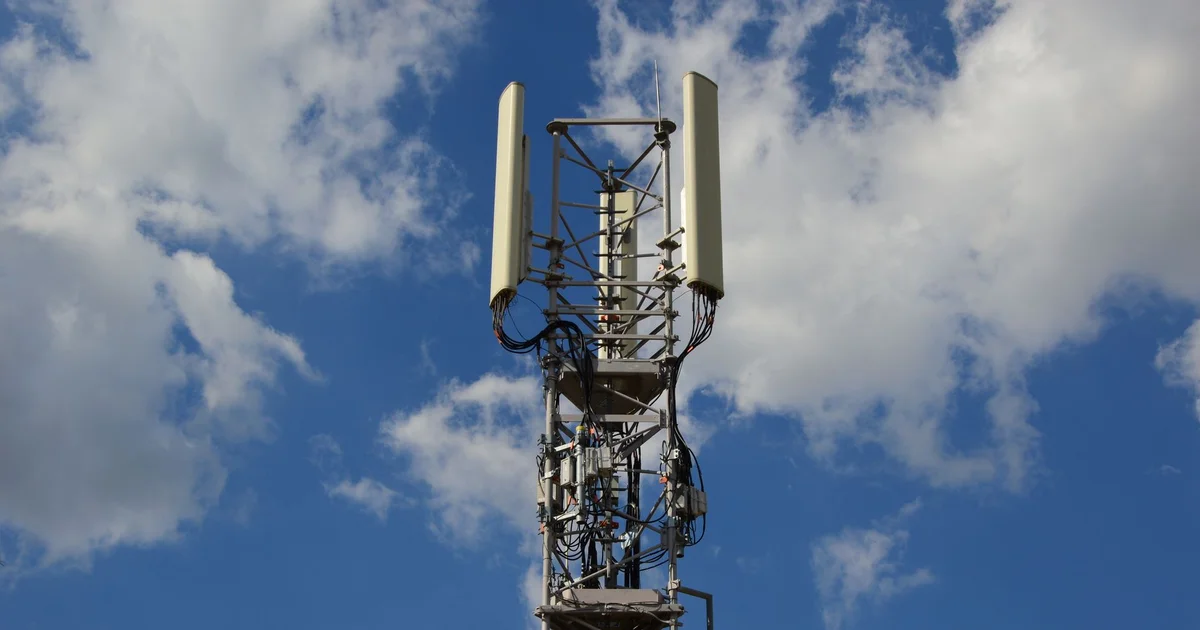
On September 9, Expreso reported that ARCOTEL is moving forward with a framework to allocate spectrum blocks for industrial-use private 5G networks, following pilots already running at a couple of manufacturing plants in Guayaquil and Cuenca. Metro Ecuador added that logistics companies are also evaluating the technology to coordinate fleets and autonomous vehicles inside their warehouses. It's the clearest sign yet that industrial connectivity in Ecuador is about to take a leap well beyond "more WiFi."
What is a private 5G network, and how does it differ from WiFi?
A private 5G network is a dedicated cellular infrastructure, installed within a company's facilities, that uses exclusive or licensed spectrum instead of sharing WiFi's crowded band. The difference isn't just speed: enterprise WiFi works reasonably well for offices, but in industrial plants with metal, heavy machinery, and dozens of mobile devices competing for the same 2.4 or 5 GHz band, it suffers interference, dead zones, and variable latency. A private 5G network offers predictable coverage across the whole plant, low latency (critical for real-time control), and above all isolation: factory traffic doesn't share a network with visitors or personal devices, which also reduces the attack surface.
Use cases already being tested
According to reports, the first Ecuadorian pilots focus on three fronts: IoT sensors distributed throughout the plant that monitor temperature, vibration, and energy consumption in real time without wiring every point; automated guided vehicles (AGVs) moving through warehouses and production lines coordinated with millisecond latency, something traditional WiFi doesn't consistently guarantee; and remote machinery control, where an operator supervises or adjusts processes from a control room separate from the physical plant. None of these cases is exclusive to multinationals: they're exactly the kind of operational improvement a mid-size Ecuadorian plant can justify if it reduces downtime or production errors.
What this means for your industrial or logistics SME
- It's not just for giant plants. Private 5G deployments can be sized to a single industrial building or warehouse; they don't require citywide coverage.
- The investment competes with structured cabling, it doesn't fully replace it. For many cases, a hybrid network (cabling where things are fixed, private 5G where there's mobility) is more cost-effective than going 100% wireless.
- Security improves almost by design. Isolating industrial traffic from the rest of the network reduces the risk of a compromised office device affecting the production line.
- Now is the time to evaluate it. If ARCOTEL does open spectrum blocks for industrial use, companies that already have a clear use case will move faster than those starting from zero.
How We Approach It at SimCodec
At SimCodec we design and implement networks and connectivity infrastructure for industrial plants and logistics centers, from structured cabling to hybrid architectures that integrate IoT sensors, AI-powered video surveillance, and control systems. We evaluate with each client whether their operation truly needs private 5G or whether a well-designed, segmented wired network solves the same problem at lower cost, instead of selling technology because it's trendy.
If your plant or distribution center is evaluating the leap to next-generation industrial connectivity, let's talk at simcod.ec/es/contacto.