Automation: reclaim hours with bots
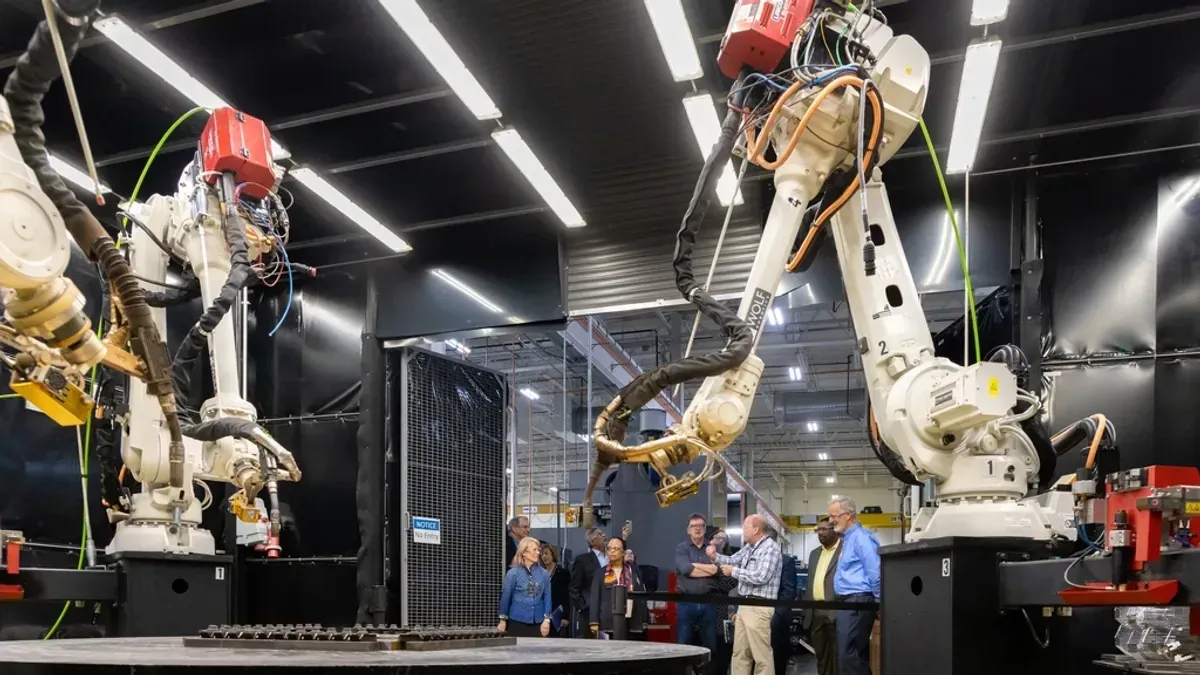
Every repetitive manual task is an automation opportunity. Copying data between systems, downloading reports, checking competitor prices, consolidating spreadsheets: these are hours your team spends on something a machine can do more consistently, without typing errors and without rest.
What can be automated?
The rule is simple: if a task is repetitive, follows clear rules and happens often, it can probably be automated. Some common examples:
- Large-scale web data extraction (scraping).
- Automatic report generation and delivery.
- Syncing between systems that don't talk to each other.
- File and spreadsheet processing.
- Alerts when something changes or goes out of range.
The real return: time and accuracy
The obvious benefit is reclaiming hours. But the most valuable is usually accuracy: a bot doesn't get distracted, mistype a figure or skip a step. In processes where an error costs money or credibility, consistency is worth as much as speed.
How to tell if it's worth it
Multiply the time a task takes by how often it repeats per month. If it's several recurring hours, automation almost always pays for itself quickly. Do the math with your real hourly cost and subtract what it will cost to build and maintain the bot; if the result is positive within a few months, it is worth it. If the task happens twice a year, it probably is not.
What to Do: From Task to Bot in Five Steps
- Document the task as it is done today. Have the person who performs it do it while you note every click, every file and every decision.
- Identify the exceptions. What happens if the file arrives empty, if the website changes or if a field is missing? A useful automation defines what to do in each case.
- Choose the most stable route. If the system offers an API, use it rather than reading the screen. Extracting data from a website by scraping is more fragile, because a design change can break it.
- Run a parallel test. For a few days, compare the bot's output with the manual work before switching off the old process.
- Leave alerts and logs. The bot must warn you when it fails and keep a record of what it did.
Start small
A good first project takes days, not months, and has a result anyone on the team can see: a report that arrives on its own, a spreadsheet that fills itself in, an alert that used to be missed.
You don't need to automate everything at once. Pick one annoying, well-scoped task, automate it, measure the savings and use that result to justify the next one. The change is gradual and the team adopts it without friction.
Beware fragile "homemade automation"
An improvised script only its author understands is a time bomb. Good automation is documented, handles errors, alerts when something fails and is easy to maintain.
Common Mistakes
- Automating without understanding the process. If the task has steps nobody can explain, the bot will inherit that confusion.
- Ignoring sites' terms of use. Before scraping someone else's site, review its conditions and respect what they say. When an official API exists, it is the right option.
- Storing passwords inside the script. Use a secrets manager or protected variables, not plain text in the code.
- Not monitoring. A bot that fails silently is worse than no bot, because nobody finds out until the damage is done.
- Handling personal data carelessly. If the bot processes data about people, apply Ecuador's Ley Orgánica de Protección de Datos Personales (LOPDP).
When It Makes Sense and When It Doesn't
It makes sense when the task is frequent, has stable rules and predictable inputs. It does not make sense when the process changes constantly, when it needs human judgment in every case, or when the source system is so unstable that maintaining the bot would cost more than doing the task by hand.
An Example: Consolidating Weekly Reports
Imagine that every Monday someone downloads three reports from different systems, pastes them into a spreadsheet and calculates totals. A bot can download the files at the same time, consolidate them and email the result, warning if one is missing. The person stops assembling the report and starts analyzing it, which is where they add value.
How we approach it at SimCodec
We have built scraping programs and automations that collect and process large volumes of data for our clients. We start with the most painful process, automate it robustly and leave it documented and monitored. Learn about our automation service.
What's the task your team hates repeating every week? That's where to start: tell us about it.
What kind of tasks can be automated with bots?
The rule is that if a task is repetitive, follows clear rules and happens often, it can probably be automated. Common examples include large-scale web data extraction (scraping), automatic report generation, syncing between systems, file processing and alerts when something goes out of range.
How do you know if automating a task is worth it?
Multiply the time a task takes by how often it repeats per month; if it adds up to several recurring hours, automation almost always pays for itself quickly. The most valuable benefit is not just time saved but accuracy, since a bot does not get distracted or skip a step.
What is the risk of a careless, homemade automation?
An improvised script only its author understands is a time bomb. Good automation, by contrast, is documented, handles errors, alerts when something fails and is easy to maintain.