
Custom 3D-Printed Implants: The Digital Engineering Already Being Done in Ecuador
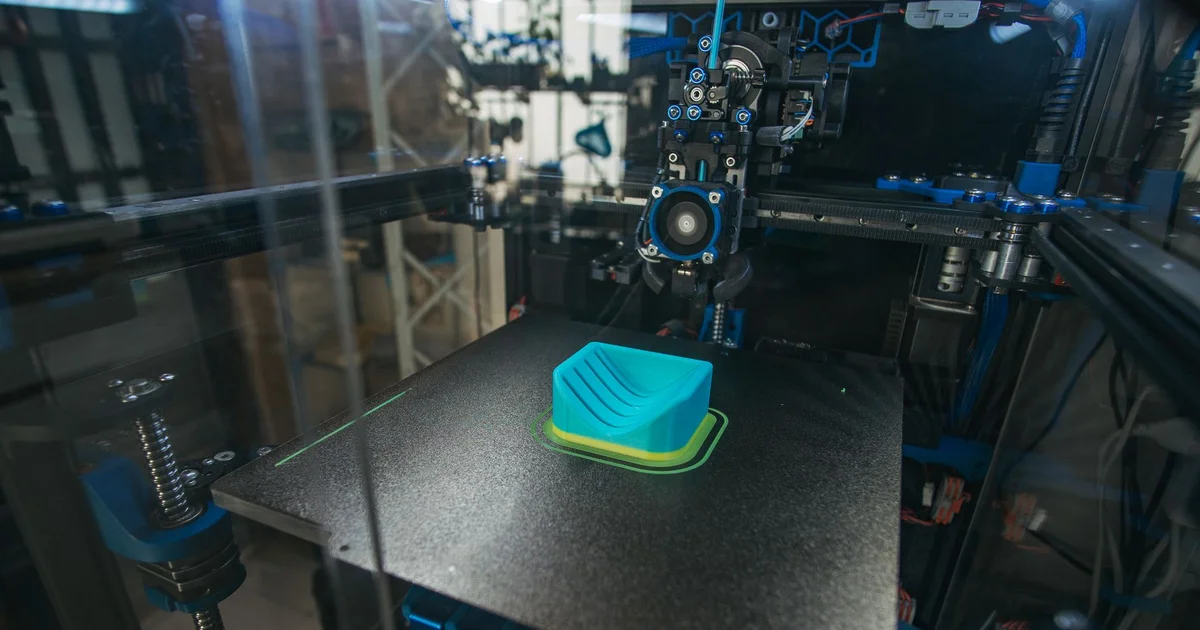
Among this week's AI headlines, something quieter but just as significant happened. IT ahora reported on September 18 that the Ecuadorian company BEMART develops and produces custom implants and surgical planning tools locally, integrating medical imaging, biomedical engineering, design, 3D modeling, manufacturing and quality control.
How the chain works
The process starts where diagnosis ends. From CT scan images, the patient's anatomy is digitally reconstructed and a three-dimensional model is generated that serves two purposes: planning the surgery before entering the operating room, and designing a solution tailored to complex structures — skull, jaw, spine, pelvis, chest and limbs. That model is then manufactured and goes through quality control before reaching the hospital.
Put that way it sounds like a medical niche. But the architecture of the process is that of any serious digital manufacturing operation: a source data point becomes a model, the model becomes a physical part, and every step leaves a verifiable record. The article also highlights a side effect that usually gets ignored: this chain creates skilled technical jobs at several stages, from image processing and modeling through fabrication and quality assurance.
What the case teaches any company that makes something
The pattern repeats in metalworking, spare parts, molds, dental prosthetics and prefabricated components, and it's replicable at SME scale:
Digitization starts at capture, not at the software. If the input data is bad — an eyeballed measurement, a photo of a drawing sent over WhatsApp — no downstream system fixes it. In the medical case the source data is a calibrated CT scan; in a workshop, the equivalent is instrumented measurement and versioned drawings.
The digital model is the asset, not a loose file. When each part's design lives in a repository with versions, authorship and traceability, you can reproduce a batch two years later or trace what changed between two revisions. When it lives on one engineer's desktop, it leaves with staff turnover.
Quality control is part of the system, not a final inspection. Recording each part's measurements against its model turns quality into queryable data, and that's what lets you answer a complaint with evidence instead of memory.
Integration between stages is where the time is won. The real cost is rarely in printing or machining: it's in the rework caused by transcribing data by hand between design, production order and inventory.
What this means for your SME
- You don't need 3D printing to use the idea. The value is in chaining data capture, versioned models and quality records; the manufacturing technology is the last link, not the first.
- Traceability opens markets. Corporate and public-sector clients increasingly ask for documented process evidence, not just the finished part.
- Local technical talent exists. This kind of operation runs on people trained in Ecuador; the constraint is usually the system that organizes them, not the people.
- Start with the process that's most expensive to repeat. Digitize first whatever, when it goes wrong, forces you to manufacture again.
How We Approach It at SimCodec
At SimCodec we build custom software for operations that produce physical things: batch and part traceability, integration between design, production and inventory, queryable quality-control records, and dashboards that show where time is being lost. And when the bottleneck isn't the software but the plant's network or equipment, we say so and fix that first.
If your workshop or plant wants to get its data chain in order between design, production and quality, let's talk at simcod.ec/es/contacto.