
IoT in precision agriculture: the Highlands connect

The Internet of Things (IoT) is transforming industries by enabling real-time data collection and analysis from any point of an operation. On Ecuadorian farms, and especially in the Sierra, this means knowing what is happening in each plot without walking it: how much moisture the soil has, how far the temperature dropped overnight or whether irrigation worked. At SimCodec, with experience in IoT implementations for companies in the country, we explore the opportunities and challenges of this technology.
IoT in Sierra Agriculture: Why It Makes Sense
Ecuador's Sierra combines slopes, microclimates, sharp temperature swings between day and night, and rainfall that varies from one valley to the next. That variability means two neighboring plots may need different management. Sensors let you decide with data and not just habit:
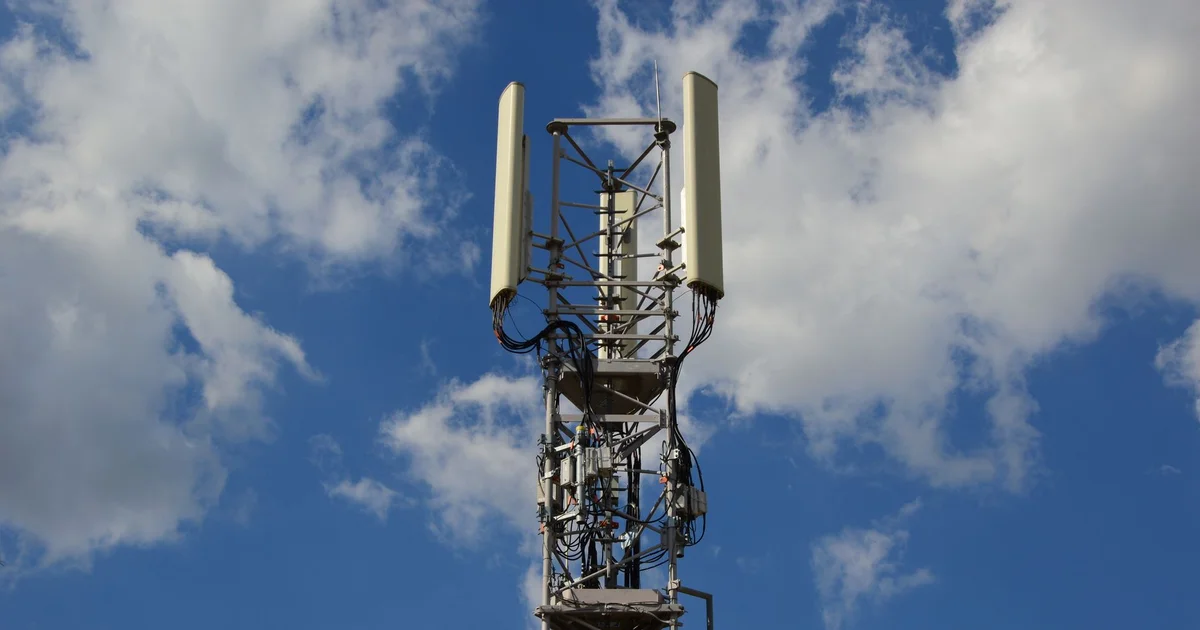
- Connectivity: in rural areas cellular coverage can be patchy. Long-range, low-power networks such as LoRaWAN, or a gateway with a backup link, are often an option for carrying data from distant sensors.
- Platforms: providers such as AWS IoT, Azure IoT and local solutions offer device management platforms and visualization dashboards.
- Related sectors: the same technical base serves industry, energy, logistics and health, so the investment can be reused.
Applications in Agriculture and Related Sectors
- Irrigation: soil moisture sensors that indicate when and how much to water, and valves triggered by schedule or threshold.
- Soil and fertilization: measuring temperature, moisture and pH to adjust fertilization.
- Weather and frost: stations with temperature, humidity and rain sensors that send alerts before a frost.
- Greenhouses: control of ventilation, temperature and humidity.
- Livestock and dairy: monitoring the cold chain and storage conditions.
- Logistics: tracking vehicles and the conditions during harvest transport.
- Energy and water: measuring pump consumption and reservoir levels.
Concrete Benefits
- More efficient use of water and inputs: you irrigate and fertilize when the data says so.
- Better decision-making: real-time data lets you act in time against frost, drought or excess moisture.
- Early failure detection: a pump drawing too much power or a tank dropping in level triggers alerts before the crop is lost.
- Traceability: the history of conditions backs up your product's quality with buyers.
Implementation Challenges
- Connectivity: many farming areas lack reliable coverage.
- Power: field sensors usually need batteries or small solar panels.
- Security: IoT devices are attack surfaces that require specific protection.
- Interoperability: the lack of standards makes it hard to integrate devices from different vendors.
- Data management: the volume of data requires adequate processing and storage infrastructure.
What to Do: How to Start an IoT Project on Your Farm or Company
- Pick a concrete problem, for example frost in one plot or water use in irrigation. Don't start with "put sensors on everything".
- Define the decision: what you will do with the data (irrigate, cover, notify the foreman). If the data doesn't change a decision, it isn't worth measuring.
- Survey the terrain: signal reach, power points, shadows and distances between sensors and the uplink point.
- Run a small pilot in one plot for a season or a few weeks, and compare with your usual management.
- Protect the devices: change passwords, separate the IoT network from the administrative network and update firmware.
- Calibrate and maintain the sensors: a dirty or uncalibrated sensor gives data that looks good but isn't.
- Integrate and scale only when the pilot proves its value: message alerts, dashboards and a connection to your management system.
Common Mistakes
- Buying cheap sensors without thinking about connectivity, power and maintenance.
- Collecting data nobody looks at.
- Ignoring the Sierra's rain, dust, humidity and cold when choosing equipment (check the water and dust protection rating).
- Using closed platforms that later prevent changing vendors.
- Leaving default passwords on devices.
- Measuring a lot without defining thresholds or who must act on an alert.
When It Makes Sense and When It Doesn't
It makes sense when the crop is sensitive to water or weather, there are distant plots or high irrigation costs, or you need to demonstrate quality conditions. It doesn't if the plot is very small and walked daily with no effort, if nobody will respond to alerts or if the real problem is something else (for example, a failing irrigation system). Fix the basics first, then automate.
SimCodec and IoT
At SimCodec we design and implement IoT solutions tailored to each company's specific needs. From selecting sensors and connectivity to integrating with management systems and visualizing data, our approach focuses on generating measurable value. Learn about our automation and monitoring services, or write to us to design an effective IoT strategy for your operation.
How many IoT devices operate in Ecuador and where is that growth headed?
An estimated 2 million-plus IoT devices are operating in the country, with projections reaching 5 million by 2028.
How does IoT support precision agriculture?
Soil moisture, temperature, and pH sensors make it possible to optimize irrigation and fertilization in crops.
What challenges does IoT implementation face in agricultural areas?
Many agricultural areas lack reliable coverage, and there are also challenges around device security, lack of interoperability between vendors, and the infrastructure needed to manage the resulting data volume.