
Remote monitoring of industrial equipment: efficiency from anywhere
The Internet of Things (IoT) is transforming industries by enabling real-time data collection and analysis from any point of an operation. In Ecuador it is increasingly applied in sectors such as agriculture, industry, energy, health and smart cities. At SimCodec, with experience in IoT deployments for companies in the country, we want to explain the opportunities and challenges of this technology, with a focus on remote monitoring of industrial equipment.
IoT in Ecuador: General Overview
The IoT ecosystem in Ecuador is growing, although there is no single official figure we can cite with certainty for the number of connected devices, so we prefer not to give numbers without a source. What can be observed in practice:
- Leading sectors: agriculture, manufacturing, energy, logistics and health.
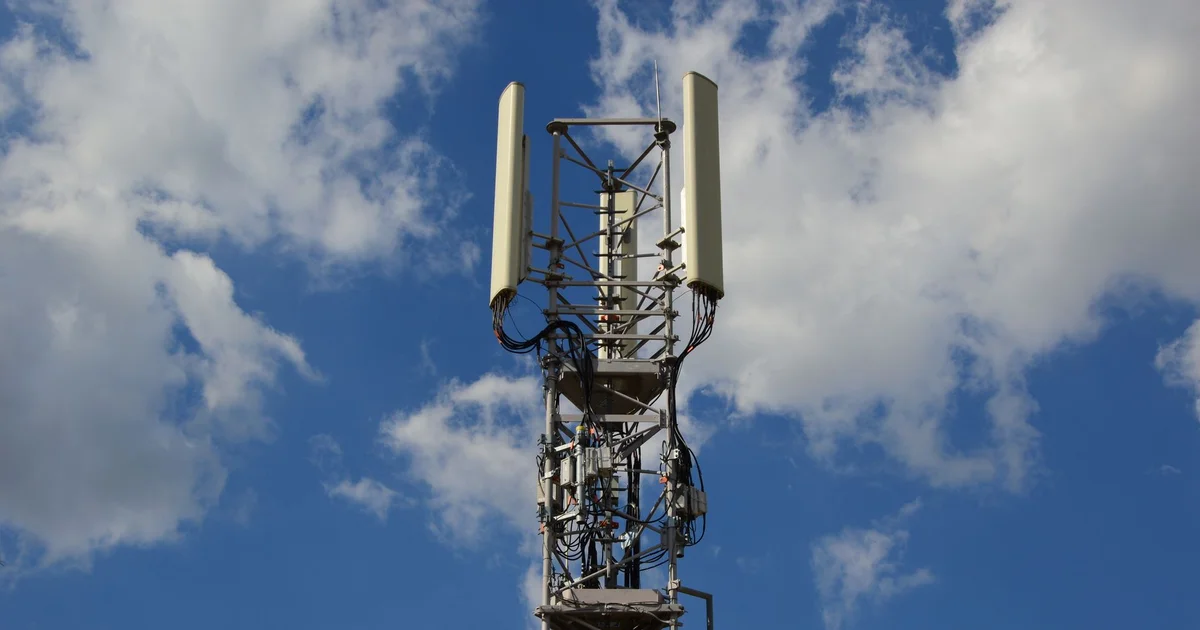
- Connectivity: there are several options depending on the case, such as cellular networks, Wi-Fi, long-range low-power networks (for example LoRaWAN) and wired links. Availability varies by area and provider, so it should be verified at the site where the equipment will be installed.
- Platforms: there are device management platforms from large cloud providers, open-source solutions and local developments.
Applications by Sector
- Agriculture: soil moisture, temperature and pH sensors that help optimize irrigation and fertilization.
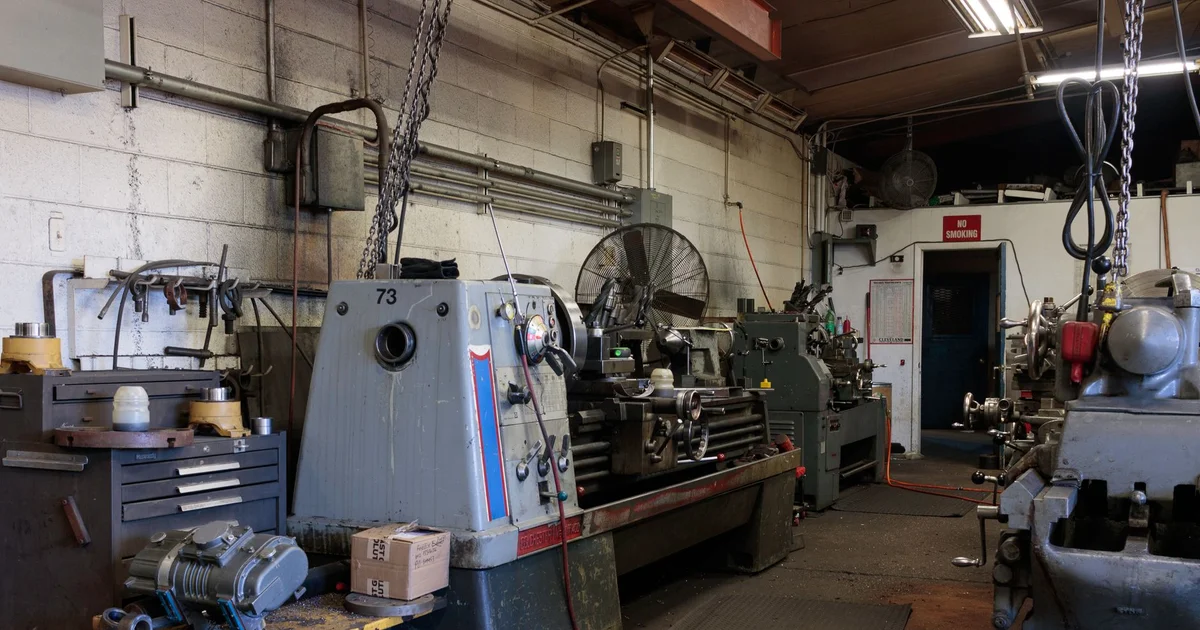
- Industry: monitoring of motors, pumps, compressors and generators to detect failures in time and support predictive maintenance and quality control.
- Energy: electricity consumption metering and supervision of distribution networks.
- Logistics: fleet tracking and monitoring of transport conditions, such as the temperature of a cold chain.
- Health: devices for patient monitoring and medical inventory control.
- Smart cities: traffic lights, bins with sensors and environmental monitoring.
Concrete Benefits
- Lower operating costs: by detecting abnormal consumption, waste or unnecessary trips. Real savings depend on each operation and are measured by comparing before and after.
- Better decisions: real-time data lets you act on information rather than intuition.
- Fewer unplanned stoppages: predictive maintenance aims to warn of a failure before it halts production.
- Fewer unnecessary trips: checking equipment from the office or a phone avoids travel to remote plants or fields.
- New business models: IoT enables data-based services and subscriptions.
What to Do: How to Start a Remote Monitoring Project
- Choose the equipment and the failure that costs you the most. For example, the pump whose breakdown stops the line, or the freezer that loses goods if it fails at night.
- Define which variables to measure. Temperature, vibration, electrical current, pressure, operating hours or on/off state. Measure few variables, but the ones that truly anticipate the problem.
- Check connectivity on site. Verify cellular signal, Wi-Fi or the possibility of running a cable. Many industrial and agricultural areas lack reliable coverage, and that decides which technology to use.
- Define the alerts and who receives them. Data without an alert reaching a person able to act is useless. Avoid excessive alerts, because the team ends up ignoring them.
- Start with a pilot on one or a few machines, confirm the data is reliable and only then expand.
- Plan security from the start: unique passwords on each device, separate networks for field equipment, updates and access only for authorized people.
Implementation Challenges
- Connectivity: many industrial and agricultural areas lack reliable coverage.
- Security: IoT devices are attack surfaces that require specific protection.
- Interoperability: the lack of standards makes integration between devices from different vendors difficult.
- Data management: the volume of data generated requires adequate processing and storage infrastructure, plus a decision on how long to keep it.
Common Mistakes
- Installing sensors without a goal. Collecting data "just in case" generates cost and noise, but not decisions.
- Leaving factory credentials. It is one of the most common ways a device gets compromised.
- Having no plan for when the connection drops. The device should store data locally and send it when the network returns.
- Ignoring maintenance of the sensors themselves. They also drift out of calibration, break and need batteries.
When It Makes Sense and When It Doesn't
It makes sense when the equipment is critical, remote or costly to inspect in person, and a failure has a clear cost. It does not make sense when the equipment is cheap and easy to replace, when nobody will act on the alerts, or when a periodic manual check already solves the problem at a lower cost.
SimCodec and IoT
At SimCodec we design and implement IoT solutions adapted to each company's specific needs. From selecting sensors and connectivity to integration with management systems and data visualization, our approach focuses on generating measurable value. Learn about our monitoring service and, if your organization wants to optimize processes with real-time data, write to us to design an effective IoT strategy.
How many IoT devices are operating in Ecuador and what is the projection?
The article estimates more than 2 million operating IoT devices in the country, with a projection of reaching 5 million by 2028.
How much can IoT-based predictive maintenance reduce unplanned downtime?
According to the article, IoT-enabled predictive maintenance reduces unplanned downtime by 40% to 70%, while also cutting operating costs by 10% to 25%.
What connectivity technologies are used for remote industrial equipment monitoring in Ecuador?
The article mentions LoRaWAN, Sigfox, and NB-IoT networks available in major cities, along with management platforms like AWS IoT and Azure IoT.