AI-powered video surveillance in Quito: smart security
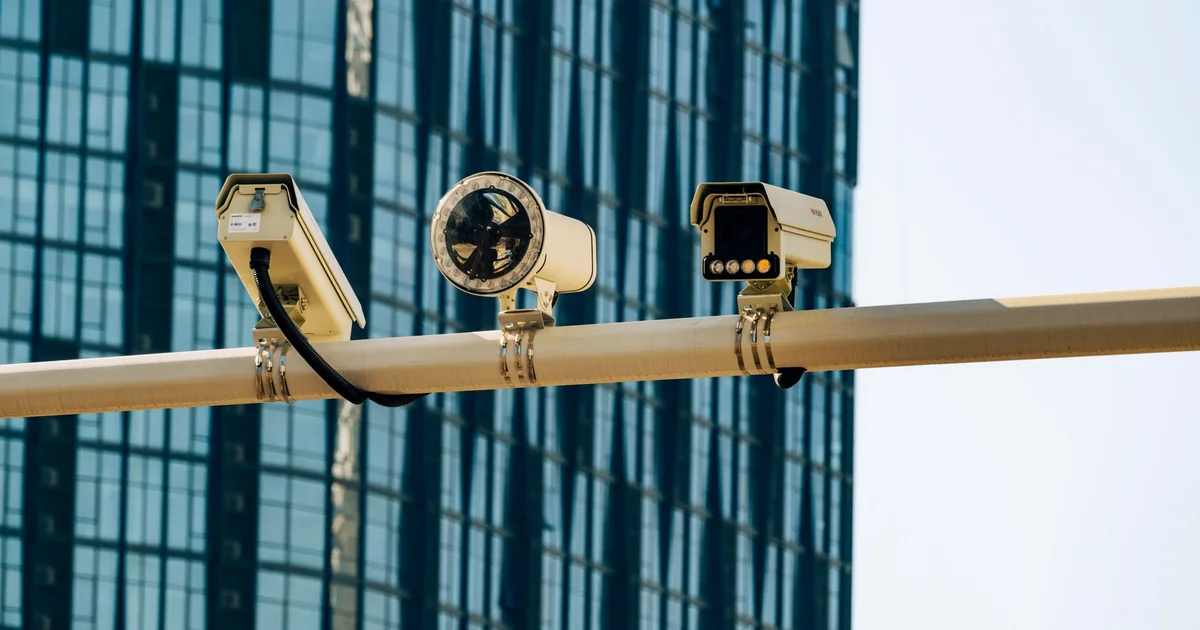
A camera that only records is good for reviewing what happened. A camera with artificial intelligence (AI) can help you find out while it is happening. For businesses, buildings, residential complexes and warehouses in Quito, that difference is what turns a video surveillance system into a prevention tool. This guide explains what AI really does in cameras, when it is worth it and how to implement it without overspending.
What AI does in video surveillance
Video analytics uses models that interpret the image to detect events and alert a person, instead of someone having to watch monitors all day. The most common functions are:
- Person and vehicle detection: it tells a person, a car and a shadow apart, which reduces false alarms from moving leaves, lights or insects.
- Line crossing and restricted zones: it alerts you when someone enters a defined area, such as a yard, a perimeter or a warehouse after hours.
- Search in recordings: it finds events by type or time without reviewing hours of video.
- License plate reading and people counting: useful in parking lots, entrances and stores, depending on the device and license.
Available functions depend on the manufacturer, the camera or recorder (NVR) model and, sometimes, extra licenses. Always ask for a demonstration at your own site.
When it makes sense and when it does not
AI makes sense when you have many cameras and little staff to watch them, when false alarms make you ignore the system, when you need a quick response (perimeters, warehouses, parking) or when you often search recordings for events.
It probably does not make sense if you have one or two cameras in a small shop and only need evidence, if lighting or angles are poor (AI does not fix a bad image), or if nobody will attend the alerts. An alert nobody reads prevents nothing.
What to do: steps to implement it
- Define the problem: night-time theft, unauthorized entry, occupancy control, parking security. That decides the type of analytics.
- Review what you already have: many current IP cameras and NVRs support basic analytics. Sometimes it is enough to update the recorder or add cameras at critical points.
- Fix the image first: placement, height, night lighting and clean lenses. AI performs according to video quality.
- Secure the network and storage: enough bandwidth, PoE switches, disks sized for the retention days you need, and UPS.
- Define who receives alerts and what they do: a guard, the administrator or a monitoring center, with a clear procedure.
- Run a pilot: start with a few cameras, adjust zones and sensitivity for a few weeks and only then expand.
Privacy and compliance
Images of identifiable people are personal data, and Ecuador's Personal Data Protection Law (LOPDP) requires you to process them securely and for a legitimate purpose. In practice: post visible video surveillance notices, limit who can view and download recordings, define how long you keep them and do not point cameras at other people's private spaces. If you plan to use facial recognition or other biometric data, processing is more sensitive: consult a legal advisor before buying.
Which costs to consider
The price is not only in the camera. Ask about the recorder or server, analytics licenses (one-time or yearly), storage according to retention days, cabling and installation, and maintenance. Asking for an itemized quote lets you compare proposals fairly and avoid surprises.
Common mistakes
- Buying "AI" cameras without checking which functions the model includes and which need a license.
- Leaving factory passwords and exposing cameras to the internet without a VPN or updates.
- Not sizing storage and finding out that recordings are overwritten sooner than needed.
- Enabling every alert and ending up ignoring them because there are too many.
- Not checking regularly that cameras are recording and in focus.
How we approach it at SimCodec
At SimCodec we design and install video surveillance systems with analytics for companies and residential complexes in Quito and across the country: site survey, equipment selection, network and storage, and commissioning. If you want to get more from artificial intelligence in your operation, see also our artificial intelligence service, and to make sure your cameras and recorders keep working, our monitoring service.
Want to know if your current system can add analytics or if it should be replaced? Write to us and we will assess your case.
Sources
- National Assembly of Ecuador, Ley Orgánica de Protección de Datos Personales (Fifth Supplement of Official Register No. 459, May 26, 2021).
What does this article about AI video surveillance in Quito cover?
It looks at how artificial intelligence is driving smart security in Quito, within the context of AI adoption in Ecuador that grew sharply through 2026, and shares SimCodec's perspective on the opportunities for companies and SMEs.
How widespread is AI adoption among Ecuadorian companies?
According to the article, 68% of large Ecuadorian companies already use some form of AI in 2026, up from 45% in 2024.
What challenges should be considered when implementing AI in security applications like video surveillance?
The article warns about the risk of bias inherited from training data and the need to comply with data protection law when processing personal information, as well as avoiding excessive dependence on external providers.